Best Action Cameras 2026
Action cameras from DJI, Insta360 and Sony compared on stabilization, resolution and waterproofing for adventure, vlogging and everyday use in 2026. Expert p...
As an Amazon Associate we earn from qualifying purchases made through our links — this doesn't affect our picks.
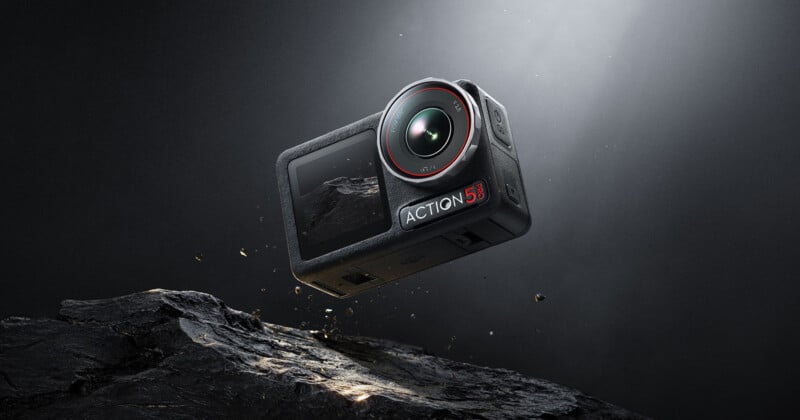
DJI Osmo Action 5 Pro
Our top recommendation for this category
Price as of Jan 30, 2026 — see current price on Amazon.
Action cameras in 2026 shoot better video than pro camcorders did five years ago. 5.3K, 10-bit color, HLG HDR, all in something the size of a matchbox. The hard part isn't finding a good one; it's figuring out which good one matches what you actually do with it.
The three below split along clear lines: battery life and how deep you can take them without a housing, raw resolution, and optical stabilization.
Quick comparison
| Camera | Max Resolution | Stabilization | Waterproof | Price | |
|---|---|---|---|---|---|
| DJI Osmo Action 5 Pro | 4K@120fps | RockSteady 4.0+ | 66ft (20m) | $319 | Check Price |
| Insta360 Ace Pro 2 | 8K@30fps | FlowState | 39ft (12m) | $330 | Check Price |
| Sony FDR-X3000 | 4K@30fps | Balanced Optical SteadyShot | 197ft (60m) w/ housing | $129.99 | Check Price |
DJI Osmo Action 5 Pro
DJI Osmo Action 5 Pro
Pros
- Best battery life: 160 minutes at 1080p
- Waterproof to 66ft without a case
- 4K@120fps for incredible slow motion
- Front-facing screen is perfect for vlogging
- Magnetic quick-release mount system
Cons
- No 5.3K, maxes at 4K
- Color science leans slightly cool
- App takes longer to learn than it should
- Lower resolution than the Insta360 Ace Pro 2
Price as of Jan 30, 2026 — see current price on Amazon.
DJI traded resolution for battery life, and for most people, that's the right call. DJI rates it at 160 minutes of 1080p recording, enough to ride, hike, or swim most of a day on one battery. It's waterproof to 66 feet without a case, the deepest no-housing rating in this guide.
4K@120fps slow motion is the headline mode, and fast action like mountain biking is exactly what it's for: slowed to quarter speed, 120fps clips stay smooth. The front-facing color screen makes it the best action camera for vlogging, you can actually see yourself while recording.
At $319, it undercuts the $330 Insta360 Ace Pro 2 and goes 27 feet deeper without a case. You give up the Ace Pro 2's 8K mode, but most people uploading to YouTube won't notice the difference.
Insta360 Ace Pro 2
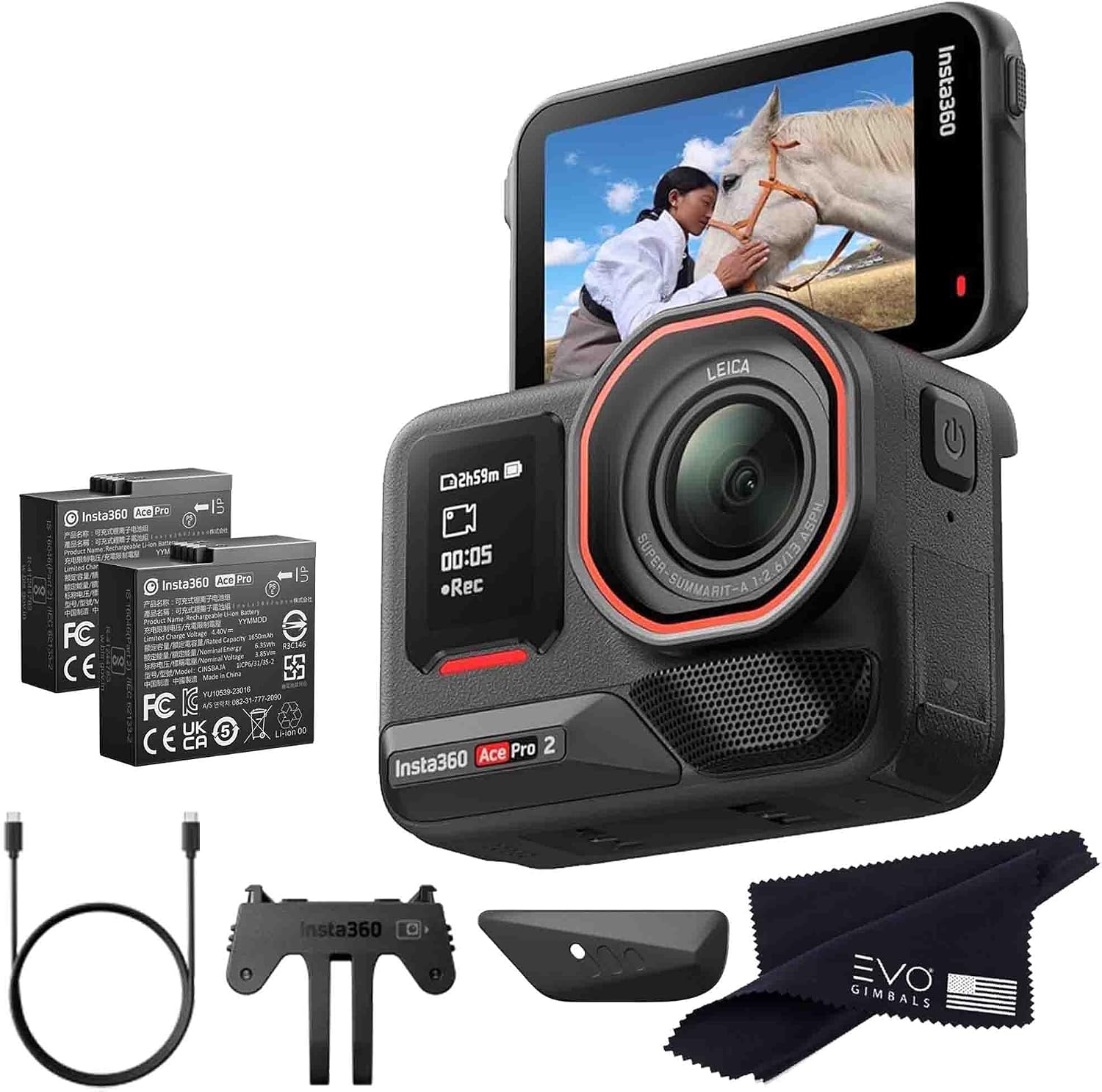
Insta360 Ace Pro 2
Pros
- 8K30fps off a 1/1.3-inch sensor, the highest resolution here
- Leica Summarit lens at f/2.6 with a 157-degree field of view
- Waterproof to 39ft (12m) with no case on it
- 2.5-inch flip screen that actually helps when you're vlogging
- PureVideo mode with AI noise reduction for low light
Cons
- 8K files are massive, needs fast SD cards
- Insta360 rates the 1800mAh cell at 180 minutes, and that's a 1080p number
- Heavier than the DJI
- Overheats faster than competitors at max resolution
Price as of Jan 30, 2026 — see current price on Amazon.
The Ace Pro 2 pushes resolution to absurd levels, 8K@30fps from something you clip to a helmet. In practice, 8K is more useful for post-production cropping than actual 8K viewing. You can shoot wide and crop to a tight shot in editing without losing sharpness.
The Leica-tuned lens produces noticeably better color than previous Insta360 cameras. Skin tones look natural, and the dynamic range handles bright skies and shaded trails well. AI subject tracking keeps you centered in the frame even during chaotic movement.
Insta360 rates the 1800mAh battery at 180 minutes, but read the fine print: that's 1080p. Shoot 8K and it drains a lot faster. Carry spares. The 2.5-inch flip screen is a nice touch for vlogging, though it feels fragile next to DJI's fixed front screen. Waterproofing is 39 feet without a case, which is a real jump over the 33 feet the original Ace Pro managed.
Sony FDR-X3000
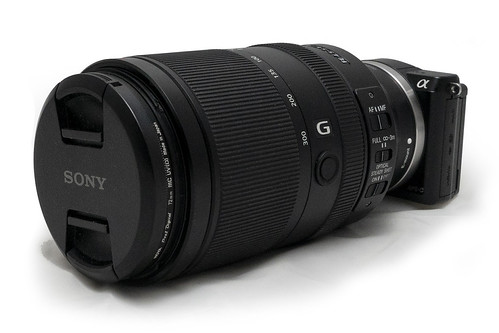
Sony FDR-X3000
Pros
- Balanced Optical SteadyShot, genuine optical stabilization, not digital
- Best low-light performance of any action camera
- 4K@30fps with minimal distortion
- 1080p@120fps for smooth slow motion
- Clean HDMI output for live streaming
- Waterproof to 197ft with included housing
Cons
- Bullet-shaped design doesn't fit standard GoPro mounts
- App is clunky compared to DJI's
- No front-facing screen
- 4K maxes at 30fps, no 4K slow motion
- Smaller community means fewer accessories
Price as of Jan 30, 2026 — see current price on Amazon.
Sony's approach is different: Balanced Optical SteadyShot uses a physical mechanism inside the lens instead of digital cropping. That means no crop to the field of view during stabilization, you get the full ultra-wide shot, stabilized optically. In practice, it's slightly less smooth than DJI's digital stabilization but preserves more of the frame.
Low-light performance is where Sony wins decisively. Sony's sensor captures usable footage in conditions where a lot of action-camera footage turns to noise. If you shoot at dawn, dusk, or indoors, this matters. 4K tops out at 30fps, but you get 1080p@120fps for slow motion.
The bullet-shaped design is polarizing. It doesn't fit GoPro mounts without an adapter, and the mounting options are more limited. The included waterproof housing is rated to 197 feet, far deeper than any competitor. If you're already in the Sony ecosystem with an A7 mirrorless, the FDR-X3000 makes a great B-camera.
What to buy
Best overall: DJI Osmo Action 5 Pro ($319), long battery life, 66ft waterproofing with no case, and a front screen for vlogging. Resolution obsessed: Insta360 Ace Pro 2 ($330), 8K is overkill but impressive.
As an Amazon Associate, we earn from qualifying purchases. This doesn't affect our recommendations or editorial independence.
Related guides
- GoPro Hero 13 vs DJI Osmo Action 5 Pro
- Best 360 Cameras 2026
- Best 4K Monitors in 2026
- Best 4K TVs Under $1000 in 2026
Frequently asked questions
- What is the best action camera for beginners in 2026?
- The DJI Osmo Action 5 Pro is the easiest starting point. It handles waterproofing, stabilization, and basic settings automatically, so you can focus on the activity rather than camera settings. The front screen makes it simple to frame yourself. If budget is a concern, the Insta360 GO 3S is more compact and better for casual daily use.
- How important is stabilization in an action camera?
- Very important. Stabilization is the difference between usable footage and shaky, nausea-inducing video. Modern cameras like the DJI Osmo Action 5 Pro and Insta360 Ace Pro 2 use electronic image stabilization that makes handheld footage look nearly gimbal-smooth. For biking, skiing, or running, stabilization matters more than resolution.
- Are action cameras waterproof without a case?
- Most current action cameras are waterproof to 33 to 66 feet without any additional case. The Insta360 Ace Pro 2 is rated to 39 feet natively and the DJI Osmo Action 5 Pro goes to 66 feet. For recreational swimming, snorkeling, or rain, the built-in waterproofing is sufficient. For scuba diving below that depth, you need a purpose-built dive housing sold separately.
- What resolution do I actually need in an action camera?
- 4K at 60fps is the practical sweet spot. It gives you sharp footage for YouTube, social media, and large screen viewing while being manageable for editing. 5.3K and 8K modes exist for cropping flexibility in post-production, but they demand more storage and processing power. Most buyers get everything they need from 4K 60fps.
- How long does action camera battery life last?
- Expect 60 to 120 minutes of continuous recording at 4K depending on temperature and settings. Cold weather cuts battery life significantly. Most action cameras use removable batteries, so carrying 2 to 3 spares is the standard fix for full-day shoots. The Enduro batteries for GoPro and similar high-capacity options extend cold-weather performance.
How We Pick
We pick products by combining spec-level research, price checks, trusted third-party benchmarks, and owner sentiment from high-signal sources.
- Performance and real-world value in the category this guide targets
- Price-to-performance and deal consistency over recent pricing windows
- Build quality, reliability patterns, and known long-term issues
- Recommendation refresh cadence to keep these picks current
Author
TheTechSearch Editorial Team
Independent product reviewers & PC builders
We compare real-world specs, reviews and owner reports, price trends, and user feedback to recommend gear that actually makes sense to buy.