Best Drones 2026: Our Top Picks for Every Budget
The best drones you can buy in 2026. From the DJI Air 3S for most people to the Mavic 4 Pro for serious creators, we break down what's worth your money.
As an Amazon Associate we earn from qualifying purchases made through our links — this doesn't affect our picks.
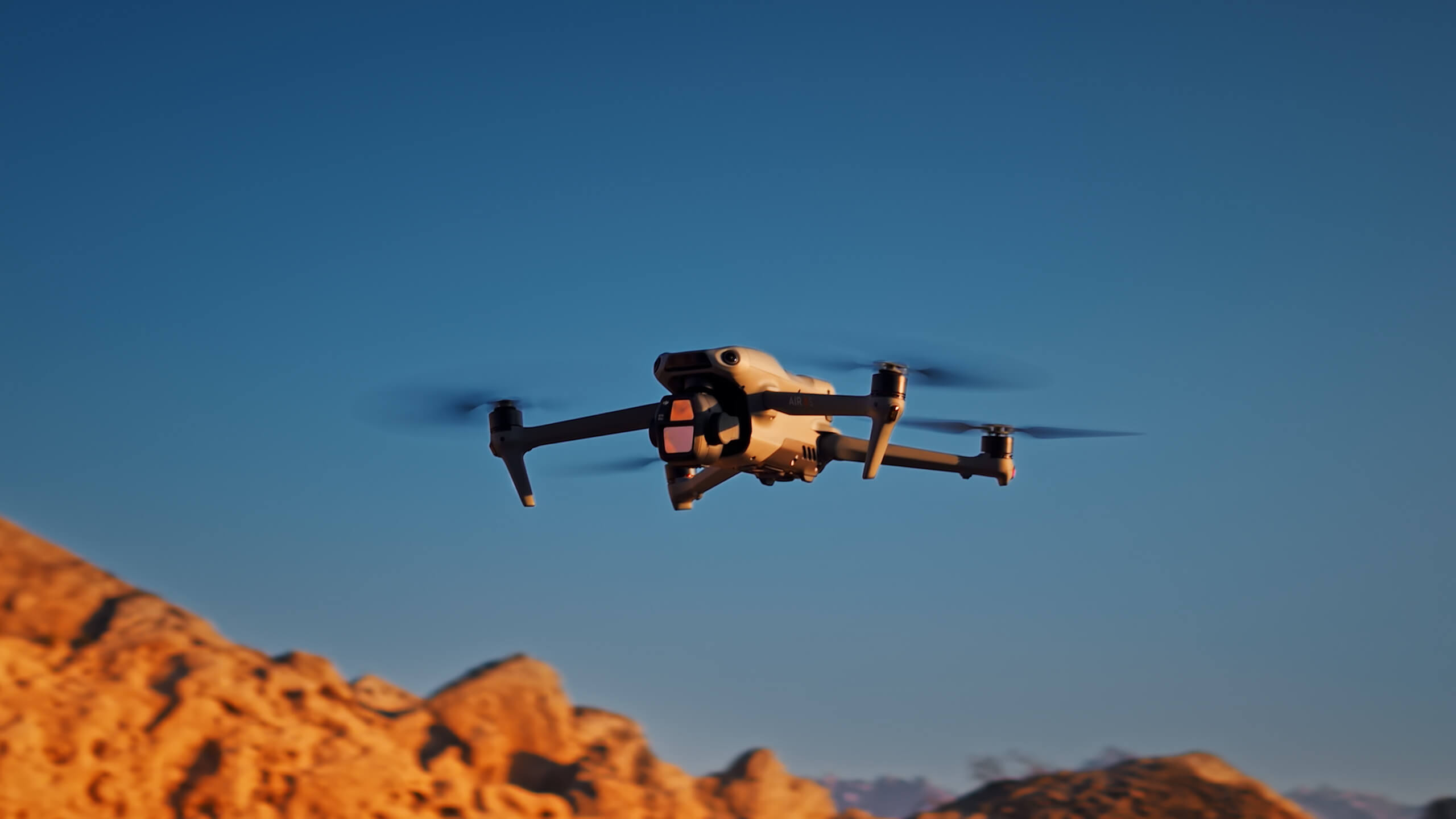
DJI Air 3S
Our top recommendation for this category
Price as of Feb 15, 2026 — see current price on Amazon.
The drone market in 2026 is dominated by one company, and that's not changing anytime soon. DJI makes the best consumer drones, full stop. The competition exists, and some of it is genuinely good, but if you want the most polished experience with the best camera quality and obstacle avoidance, you're probably buying a DJI.
There's a wrinkle, though. The FCC banned imports of new foreign-made drones in late 2025, which means some newer DJI models are harder to find through official US channels. Older models remain legal to fly and buy, and third-party sellers still have inventory of newer ones, but it's worth knowing about before you drop two grand.
Here's what I'd actually recommend across every price point.
Our top picks at a glance
| Drone | Camera | Flight Time | Weight | Price | |
|---|---|---|---|---|---|
| DJI Air 3S | Dual 50MP + 48MP | 45 min | 1.59 lbs | $989 | Check Price |
| DJI Mini 5 Pro | 1" CMOS 50MP | 36 min | 249g | $689 | Check Price |
| DJI Mavic 4 Pro | Tri-cam Hasselblad 100MP | 51 min | 1,063g | $2,199 | Check Price |
| DJI Flip | 1/1.3" 50MP | 31 min | 249g | $349 | Check Price |
| DJI Neo 2 | 1/2" 12MP | 18 min | 135g | $259 | Check Price |
Best overall: DJI Air 3S
DJI Air 3S
Pros
- Dual-camera system covers wide and medium telephoto
- 45-minute flight time is class-leading
- 10-bit D-Log M video for serious color grading
- 360-degree obstacle avoidance actually works
Cons
- Requires FAA registration (over 250g)
- Not a huge leap over the Air 3 for upgraders
Price as of Feb 15, 2026 — see current price on Amazon.
The Air 3S is the drone I'd tell most people to buy. It sits in that sweet spot where you're getting genuinely professional camera quality without paying professional prices or dealing with a massive aircraft.
The dual-camera system pairs a 50MP wide-angle lens with a 48MP medium telephoto, and both produce footage that's sharp enough to use commercially. You're getting 4K at 60fps with HDR, 4K/120fps slow motion, and even vertical 9:16 recording for social media content. The 1-inch CMOS sensor on the wide camera pulls in enough light that low-light footage doesn't fall apart the way cheaper drones do.
What really sells this thing is the flight experience. Forty-five minutes of actual flight time means you're not constantly swapping batteries. The omnidirectional obstacle avoidance uses a combination of cameras and sensors to detect objects in every direction, and the return-to-home function works even without a GPS signal. The RC-2 controller has a built-in screen, so you're not draining your phone battery.
At $989 for the base kit when I checked in September 2026 (the Fly More Combo with extra batteries costs more), it's less than half the price of the Mavic 4 Pro while delivering 90% of the experience for most users.
Who it's for: Content creators, travel vloggers, real estate photographers, and anyone who wants a capable drone without spending $3K.
Who should skip it: If you need sub-250g for registration-free flying, look at the Mini 5 Pro instead.
Best mini drone: DJI Mini 5 Pro

DJI Mini 5 Pro
Pros
- 1-inch sensor is unprecedented in a sub-250g drone
- No FAA registration required for recreational use
- 225-degree gimbal rotation for creative angles
- Omnidirectional obstacle sensing with LiDAR
Cons
- Single camera, no telephoto option
- Lighter weight means worse wind performance
Price as of Feb 15, 2026 — see current price on Amazon.
The Mini 5 Pro is an engineering flex. DJI crammed a 1-inch sensor, the largest ever in a sub-250g drone, into something that weighs exactly 249 grams. That weight matters because it means no FAA registration for recreational flyers in the US, and simplified regulations in Europe under the C0 category.
The camera captures 50MP stills and smooth 4K/60fps video with D-Log M support for post-production flexibility. The 225-degree three-axis gimbal, borrowed from the Mavic 4 Pro's design language, lets you shoot creative angles including straight-up and tilted perspectives that most mini drones can't touch.
DJI added omnidirectional obstacle avoidance with LiDAR on the front, which is remarkable for something this small. ActiveTrack 360 keeps subjects in frame during tracking shots, and the 36-minute flight time is solid for the weight class.
The tradeoff is wind. At 249 grams, a stiff breeze will push this thing around more than the Air 3S or Mavic 4 Pro. It's rated for winds up to 10.7 m/s, but in practice you'll want calmer conditions for the smoothest footage. Also, you're getting one camera, no telephoto option here.
Who it's for: Travelers who don't want to register, beginners who want excellent quality, and anyone prioritizing portability above all else.
Who should skip it: If you regularly fly in windy conditions or need a telephoto lens, spend more on the Air 3S.
Best pro drone: DJI Mavic 4 Pro
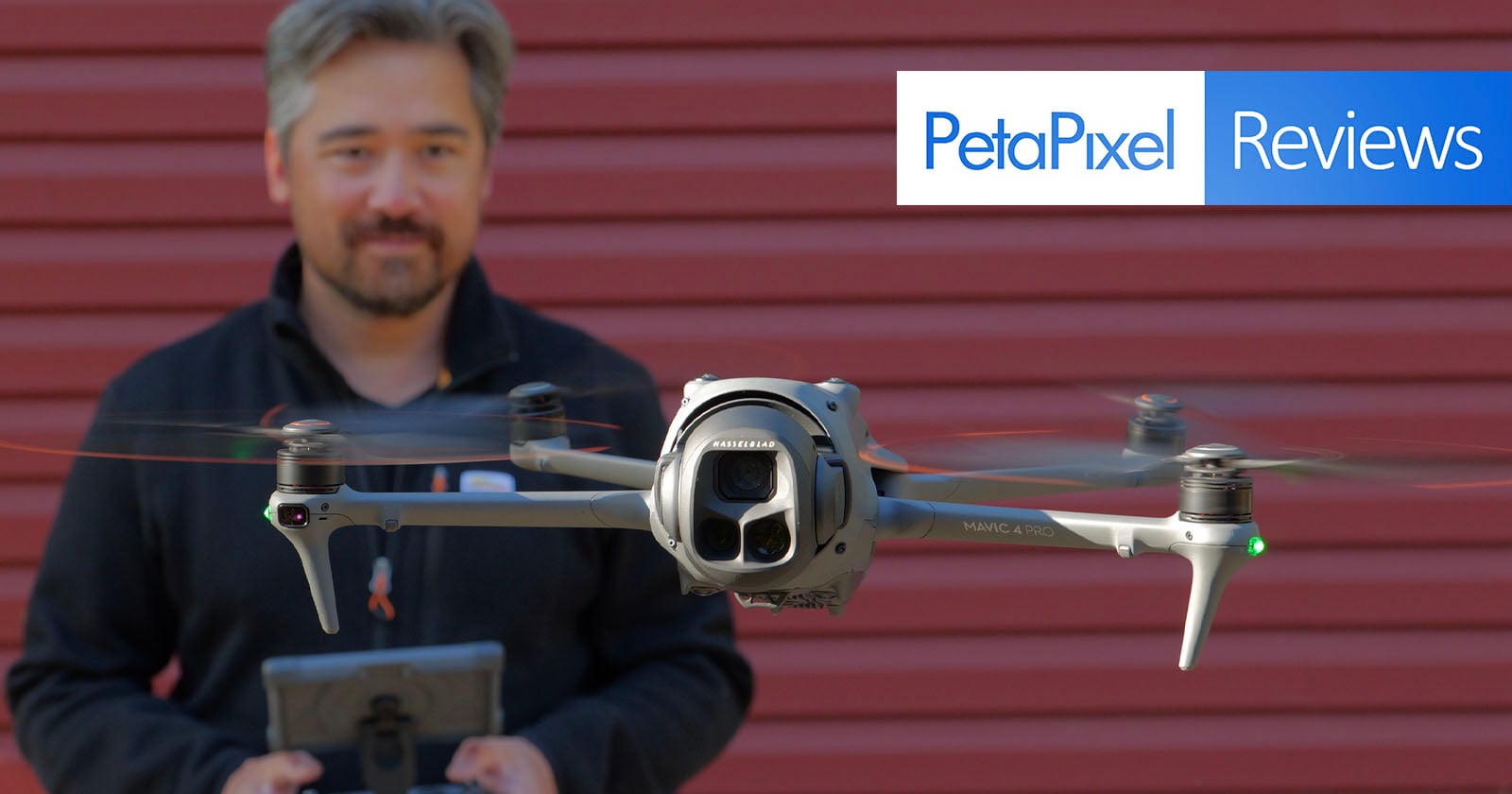
DJI Mavic 4 Pro
Pros
- Tri-camera Hasselblad system with 100MP wide, 48MP medium tele, 50MP tele
- 6K/60fps HDR video rivals dedicated cinema cameras
- 51-minute flight time is best in class
- LiDAR + omnidirectional sensing works in near-darkness
Cons
- $2,199 is a serious investment
- US availability limited due to FCC ban on new DJI imports
- Heavier than Air 3S, less portable
Price as of Feb 15, 2026 — see current price on Amazon.
The Mavic 4 Pro is overkill for most people, and that's the point. This is DJI's flagship consumer drone, and it competes with camera platforms that cost five times as much.
The triple-camera Hasselblad system covers 24mm wide, 70mm medium telephoto, and 168mm telephoto. Behind the wide lens sits a 4/3-inch CMOS shooting 100MP stills and 6K video at 60fps in HDR. The variable aperture from f/2.0 to f/11 gives you depth-of-field control that no other consumer drone offers. Hasselblad's color science produces images with accurate, rich tones straight out of camera.
The 360-degree Infinity Gimbal is a redesign that improves aerodynamics and lets you shoot up to 70 degrees upward. Combined with front-facing LiDAR that works down to 0.1 lux, this drone can avoid obstacles in conditions where you literally can't see them yourself.
Fifty-one minutes of flight time under ideal conditions translates to roughly 40-45 in real use, which is still outstanding. The O4+ transmission system reaches up to 18.6 miles with 10-bit HDR quality on the feed.
The catch for US buyers: the FCC ban means you can't buy this through official DJI channels anymore. Third-party sellers on Amazon and elsewhere still have inventory, and the drone itself is legal to fly, DJI continues supporting all existing products. But you're paying a premium for what's available.
Who it's for: Professional photographers, videographers, real estate pros, and serious hobbyists who want the absolute best.
Who should skip it: Anyone on a budget, casual flyers, or first-time drone buyers. Start with the Air 3S.
Best budget drone: DJI Flip

DJI Flip
Pros
- Sub-250g means no FAA registration
- 1/1.3-inch 50MP sensor punches above its price
- Foldable, compact design fits in a jacket pocket
- AI-powered QuickShots for cinematic moves
Cons
- 31-minute flight time is shorter than competitors
- No telephoto camera
- Wind performance limited at this weight
Price as of Feb 15, 2026 — see current price on Amazon.
PCMag's top recommendation for entry-level pilots, the DJI Flip proves you don't need to spend a grand to get genuinely good aerial footage. At $349, it's the most affordable way into DJI's ecosystem without sacrificing image quality to the point where footage looks like a toy captured it.
The 1/1.3-inch sensor captures 50MP photos and 4K video with enough dynamic range to handle tricky lighting, sunsets, mixed indoor/outdoor, that kind of thing. It's not going to match the Air 3S in low light, but for daytime shooting it produces results that most people couldn't distinguish from a drone twice its price.
At under 250 grams, you skip FAA registration for recreational use. The foldable design is genuinely pocketable, or at least fits in a small bag without taking up much room. QuickShots automate common cinematic moves like orbit, helix, and dronie, making it dead simple to get footage that looks planned even if you're improvising.
The compromises are predictable: 31-minute flight time is fine but not exceptional, there's no telephoto option, and wind will push it around. But for the price, these are acceptable tradeoffs.
Who it's for: First-time drone buyers, casual users, travelers on a budget, and anyone who wants good footage without the investment or registration hassle.
Who should skip it: If you're doing paid work or need longer flight times, spend more on the Air 3S.
Best selfie/fun drone: DJI Neo 2

DJI Neo 2
Pros
- Impossibly small, 135g, palm-sized
- No controller needed, gesture and phone control
- Stabilized 4K video at this price is impressive
- AI tracking keeps you in frame automatically
Cons
- 18-minute flight time is short
- Wind resistance is minimal
- Not a serious photography tool
- Image quality can't compete with larger sensors
Price as of Feb 15, 2026 — see current price on Amazon.
The Neo 2 isn't competing with any of the drones above, and that's fine. At $259 and 135 grams, this is the drone you throw in your bag for spontaneous moments, hiking, beach days, group photos where nobody wants to hold the camera.
It shoots stabilized 4K video and can be controlled with hand gestures or your phone, no dedicated controller required (though one is available). AI tracking keeps you or your group in frame while it flies, and preset QuickShot modes handle the cinematography. Palm takeoff and landing mean you don't need a flat surface.
Eighteen minutes of flight time limits how much you can capture in one session, and a strong gust will send this thing drifting. The 1/2-inch 12MP sensor is fine for social media but won't hold up to pixel-peeping. This is a fun tool, not a professional one.
Who it's for: Social media users, first-time drone flyers, families who want aerial group shots, anyone who values portability over everything.
Who should skip it: Anyone who considers themselves a photographer or videographer. This is a toy that happens to take decent footage.
How to choose the right drone
Think about what you're actually shooting
Most people overthink this. If you're posting to Instagram and YouTube, the DJI Flip or Mini 5 Pro gives you more than enough quality. If clients are paying you for footage, start with the Air 3S. The Mavic 4 Pro is for people who already know they need it.
The 250-gram line matters
Under 250 grams means no FAA registration for recreational use in the US. That's the Mini 5 Pro, the Flip, and the Neo 2. Everything else requires registration ($5, valid for 3 years) and a Remote ID broadcast. Not a dealbreaker, but worth knowing.
Wind tolerance correlates with weight
Heavier drones handle wind better. The Mavic 4 Pro and Air 3S can fly comfortably in moderate wind. Expect the Mini 5 Pro and Flip to struggle above 20 mph. The Neo 2 is a kite in anything gusty.
The FCC ban, explained simply
The FCC banned imports of new foreign-made drones (including DJI) in December 2025. DJI drones released before the Mavic 4 Pro (May 2025) are unaffected, you can still buy and fly them normally. Newer models like the Mini 5 Pro and Neo 2 are available through third-party sellers but not official DJI US channels. All DJI products remain legal to fly, and DJI continues providing support and firmware updates.
Battery math
Manufacturer flight times are measured under perfect conditions. Subtract 20-25% for real-world use with wind, maneuvering, and video recording. A 45-minute rated drone gives you about 35 minutes. The Fly More Combos with extra batteries are almost always worth the premium.
Frequently asked questions
- Do I need a license to fly a drone in the US?
- Recreational flyers don't need a license but must pass the TRUST test (free, takes about 30 minutes). Commercial operators need a Part 107 certificate. Drones over 250g require FAA registration regardless of use.
- Can I still buy DJI drones in the US?
- Yes. Older models are fully available through normal retail. Newer models (Mavic 4 Pro, Mini 5 Pro, Neo 2) are available through third-party sellers. All DJI drones remain legal to fly.
- What's the best drone under $500?
- The DJI Flip at $349. It's sub-250g (no registration), has a capable 50MP camera, and DJI's reliability. Nothing else at this price comes close.
- How far can these drones fly?
- Transmission ranges vary from 10km (Neo 2) to 30km (Mavic 4 Pro), but you should always keep your drone within visual line of sight as required by FAA regulations. In practice, that's about 400-500 meters for most people.
- Which drone has the best camera?
- The DJI Mavic 4 Pro, by a significant margin. Its Hasselblad tri-camera system with 100MP resolution and 6K video is in a league of its own among consumer drones.
The verdict
For most people: buy the DJI Air 3S. It's the best balance of camera quality, flight time, portability, and price. The dual cameras and 45-minute flight time make it versatile enough for casual use and professional work alike.
On a budget, the DJI Flip is the sweet spot, great footage, no registration headache, pocketable size. Want the absolute best? The Mavic 4 Pro delivers, if you can find it and stomach the price.
If you're just getting started and want something fun to learn with, the Neo 2 at $259 removes every barrier to entry. You can always upgrade once you know what you want from a drone.
Prices reflect current retail as of February 2026. Check links for the latest deals, drone prices tend to drop during Amazon Prime Day and holiday sales.
Related articles you might find useful:
- Best Action Cameras 2026, pair your drone footage with ground-level action shots
- GoPro Hero 13 vs DJI Osmo Action 5, head-to-head comparison of the best action cameras
- Best Portable Monitors 2026, edit your drone footage on the go
How We Pick
We pick products by combining spec-level research, price checks, trusted third-party benchmarks, and owner sentiment from high-signal sources.
- Performance and real-world value in the category this guide targets
- Price-to-performance and deal consistency over recent pricing windows
- Build quality, reliability patterns, and known long-term issues
- Recommendation refresh cadence to keep these picks current
Author
TheTechSearch Editorial Team
Independent product reviewers & PC builders
We compare real-world specs, reviews and owner reports, price trends, and user feedback to recommend gear that actually makes sense to buy.