GoPro Hero 13 vs DJI Osmo Action 5 Pro
GoPro Hero 13 vs DJI Osmo Action 5 Pro compared spec by spec. See which action camera wins on video quality, stabilization, and battery life. Expert picks, p...
As an Amazon Associate we earn from qualifying purchases made through our links — this doesn't affect our picks.
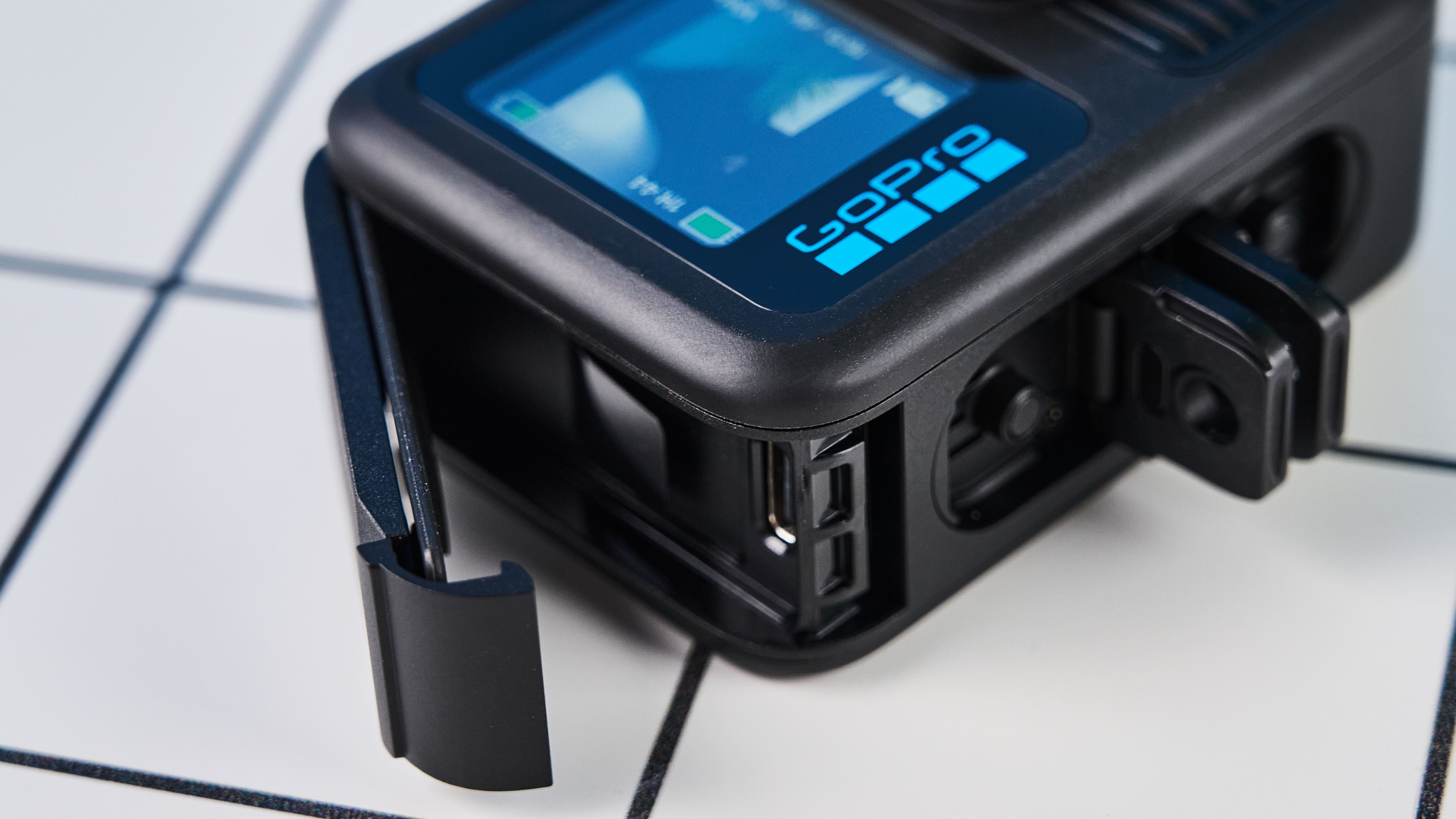
GoPro Hero 13 Black
Our top recommendation for this category
Price as of Jan 31, 2026 — see current price on Amazon.
These two cameras trade punches better than any other action camera rivalry. GoPro leads in resolution and ecosystem. DJI leads in battery life and waterproofing. At 4K in good light, the footage from both is very close.
The differences show up at the edges. TechRadar's Andrew Williams credits DJI's larger sensor with better low-light image quality and greater native dynamic range, while GoPro answers with dedicated HDR modes and its HB-series lens mods. Here's what actually separates them.
Specs compared
| Feature | GoPro Hero 13 Black | DJI Osmo Action 5 Pro |
|---|---|---|
| Max Resolution | 5.3K@60fps | 4K@120fps |
| Stabilization | HyperSmooth 7.0 | RockSteady 4.0+ |
| Waterproof | 33ft (10m) | 66ft (20m) |
| Battery Life (1080p) | 95 min | 160 min |
| Front Screen | No (small status only) | Yes (1.4" color) |
| Weight | 154g | 145g |
| Price | $400 | $319 |
Video quality
GoPro Hero 13 Black
Pros
- 5.3K resolution captures more detail
- Better dynamic range in high-contrast scenes
- GP-Log flat profile gives more editing flexibility
- Modular magnetic lens system
- Wider ecosystem of accessories
Cons
- Battery life is nearly half the DJI's
- Only waterproof to 33ft
- No front-facing color screen
- About $80 more expensive
Price as of Jan 31, 2026 — see current price on Amazon.
At 5.3K, the GoPro captures roughly 50% more pixels than DJI's 4K. You can see this in fine details, tree bark, water droplets, distant text on signs. When viewed at 100% crop, the GoPro is sharper. On a phone screen or even a 4K TV at normal viewing distance? The difference is subtle.
GoPro's color science tends warmer and more saturated out of the box, which looks more immediately appealing. DJI's colors are slightly cooler and more neutral. Both offer flat profiles for color grading in post.
Dynamic range is close, but the GoPro handles harsh sun-to-shade transitions slightly better. Mountain biking through a forest with dappled sunlight, the GoPro recovered shadow detail that the DJI clipped.
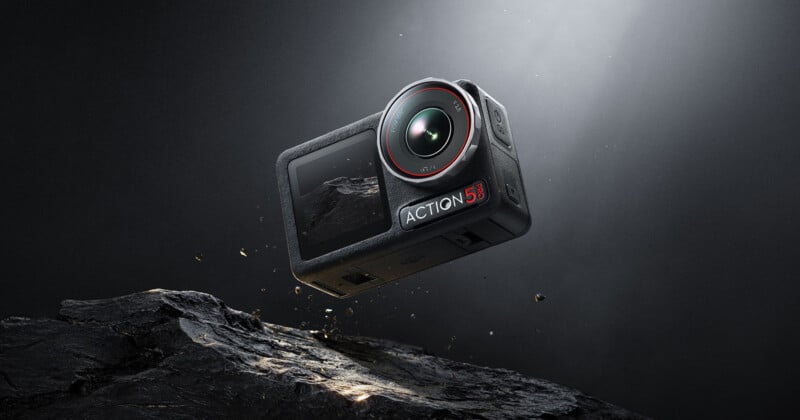
DJI Osmo Action 5 Pro
Pros
- 160-minute battery life at 1080p
- Waterproof to 66ft without a case
- 4K@120fps for better slow motion
- Front-facing color screen
- Magnetic quick-release mount
Cons
- 4K max, no 5.3K option
- Slightly less dynamic range than GoPro
- Color science can look cool/flat without adjustment
- Smaller accessory ecosystem
Price as of Jan 31, 2026 — see current price on Amazon.
DJI wins the slow-motion battle with 4K@120fps versus GoPro's 4K@60fps. For action sports where you want dramatic slow-mo, surfing, skiing, skateboarding, that extra 60 frames per second makes a visible difference. At 1080p, DJI pushes to 240fps.
Stabilization
Both are excellent. HyperSmooth 7.0 and RockSteady 4.0+ produce footage that looks gimbal-smooth. At their maximum stabilization settings, both smooth out rough trail footage well enough that stabilization alone shouldn't decide your purchase. Horizon leveling is where they differ.
GoPro's horizon leveling locks to 360 degrees with the optional Max Lens Mod 2.0 ($100 extra). DJI's horizon lock handles about 45 degrees of tilt natively, which covers most real-world scenarios. For truly extreme rotation, barrel rolls, flips, GoPro with the Max Mod wins.
Battery life
This is DJI's biggest advantage. 160 minutes at 1080p versus GoPro's 95 minutes. At 4K, DJI gets about 105 minutes to GoPro's 70. In practice, this means DJI lasts a full half-day adventure on one battery. GoPro needs a swap.
That gap is why GoPro owners on long rides tend to carry spare batteries. Less time fumbling with batteries means more time shooting.
Build and design
Both are compact and light. DJI is 9g lighter, which doesn't matter in isolation but adds up when helmet-mounted.
DJI's front-facing color screen is a genuine advantage for vlogging and selfie shots, you can frame yourself without guessing. GoPro has a tiny monochrome status screen on the front that shows recording status but not a live preview.
DJI's magnetic quick-release mount snaps on and off instantly. GoPro's standard mounting fingers require a thumbscrew. Small difference, but after the twentieth mount/dismount, DJI's system feels faster.
Waterproofing
DJI wins: 66 feet (20 meters) versus GoPro's 33 feet (10 meters), both without a housing. For snorkeling and shallow diving, DJI gives you double the depth. For surfing and pool use, both are more than adequate.
App and ecosystem
GoPro's Quik app is better for quick edits. Auto-highlight detection, easy trimming, and one-tap sharing to social media. The cloud backup (subscription required) is seamless.
DJI's Mimo app is functional but less polished. Editing tools are there but the interface is clunkier. No cloud backup included.
GoPro's accessory ecosystem is larger, more third-party mounts, cases, and add-ons. DJI's selection is growing but still trails.
Price
DJI: $319. GoPro: $400. An $80 gap that narrows or widens depending on your accessory needs. DJI includes a protective frame; GoPro's equivalent accessories add to the cost.
Who wins?
Get the GoPro Hero 13 Black if: You want the highest resolution, you shoot in challenging lighting conditions, or you need the widest accessory selection. The modular lens system is unique and genuinely useful.
Get the DJI Osmo Action 5 Pro if: Battery life matters most, you need deeper waterproofing, you want a front screen for vlogging, or you want to save about $80. For most people doing most things, the DJI offers better practical value.
Our pick for most people: the DJI. Battery life is the number one quality-of-life improvement in an action camera, and 160 minutes versus 95 minutes is a big gap on a long day out. TechRadar also notes the Action 5 Pro charges faster.
As an Amazon Associate, we earn from qualifying purchases. This doesn't affect our recommendations or editorial independence.
Related guides
Frequently asked questions
- Which is better for beginners, GoPro Hero 13 or DJI Osmo Action 5?
- The GoPro Hero 13 is slightly easier for beginners because of the intuitive app, extensive tutorial community, and proven accessory mount ecosystem. The DJI Osmo Action 5 Pro matches it in most areas and offers longer battery life, which helps beginners who forget to charge. Both are excellent starting points and neither requires technical expertise to get good footage.
- Which camera has better stabilization?
- Both are outstanding. GoPro's HyperSmooth 6.0 and DJI's RockSteady 4.0 deliver nearly gimbal-equivalent stabilization. In most real-world tests they are very close, with GoPro maintaining a slight edge in extreme movement scenarios like mountain biking at speed. DJI's HorizonSteady feature keeps the horizon level even when the camera rotates significantly, which GoPro cannot match without an accessory.
- How do the batteries compare between the two cameras?
- The DJI Osmo Action 5 Pro uses a 1950mAh battery against the GoPro Hero 13 Black's 1900mAh. GoPro rates its battery for up to 2.5 hours at 1080p and 1.5 hours at 5.3K, while DJI rates the Action 5 Pro for up to four hours at 1080p with the screens and Wi-Fi off. The DJI also charges faster. For full-day activities where swapping batteries is inconvenient, the DJI has a practical advantage.
- Which camera is better in low light?
- The GoPro Hero 13 has a larger f/2.5 aperture versus DJI's f/2.8, which allows slightly more light at equivalent ISO. Both cameras added significant low-light processing improvements in 2024 and 2025. In real-world testing, they perform similarly in low light at 4K, with GoPro producing slightly warmer footage and DJI slightly cooler. Night Lapse and long-exposure modes are available on both.
- Which has a better accessory ecosystem?
- GoPro has the larger and more mature accessory ecosystem. The standard GoPro mounting system is compatible with thousands of third-party mounts, cases, and accessories from brands like Peak Design, Moment, and GoPro's own lineup. DJI's mounting system is robust but has fewer third-party options. If you plan to use specialized mounts for surfing, biking, or motorsports, GoPro's ecosystem breadth is a meaningful practical advantage.
How We Pick
We pick products by combining spec-level research, price checks, trusted third-party benchmarks, and owner sentiment from high-signal sources.
- Performance and real-world value in the category this guide targets
- Price-to-performance and deal consistency over recent pricing windows
- Build quality, reliability patterns, and known long-term issues
- Recommendation refresh cadence to keep these picks current
Author
TheTechSearch Editorial Team
Independent product reviewers & PC builders
We compare real-world specs, reviews and owner reports, price trends, and user feedback to recommend gear that actually makes sense to buy.